
Car detailing tips help protect paint and upholstery by removing contaminants safely, restoring protective layers, and preventing stains, fading, cracking, and premature wear. Wash with pH-balanced products, use clean microfiber tools, condition suitable surfaces, and follow a consistent maintenance schedule based on weather, parking, and driving conditions.
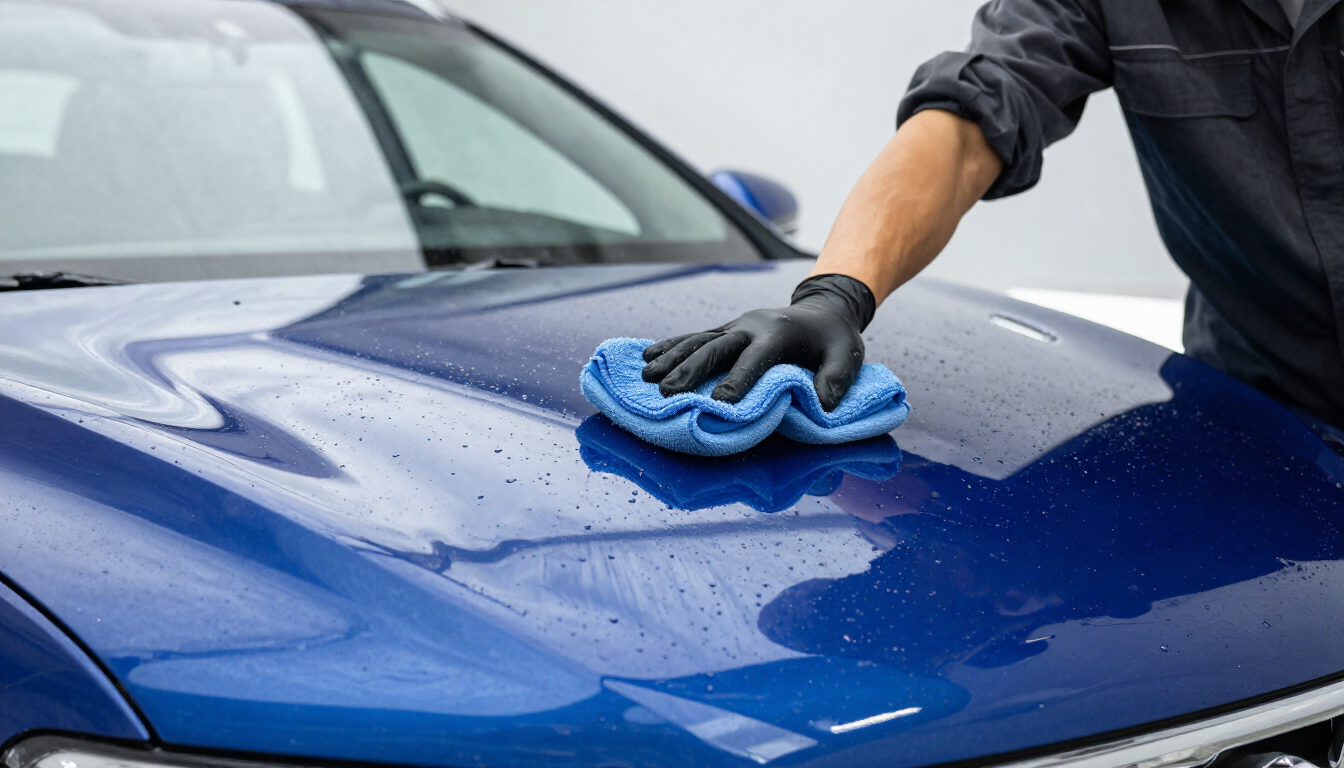
Why do car detailing tips matter for paint and upholstery?
Dirt, road salt, bird droppings, UV exposure, spilled drinks, and body oils can damage a vehicle’s surfaces over time. Regular detailing removes harmful material before it bonds to paint or penetrates fabric and leather.
Good detailing also makes routine maintenance easier. A protected exterior sheds water and grime more effectively, while a clean interior makes it easier to spot spills, cracks, and unusual wear early.
Exterior paint protection checklist
Use these car detailing tips to maintain a durable, glossy finish:
- Rinse before washing. Remove loose grit first so it does not scratch the clear coat.
- Use two clean buckets. Keep wash solution separate from the rinse water.
- Choose pH-balanced soap. Household dish soap can strip wax and leave paint unprotected.
- Wash from top to bottom. The lower panels usually hold the most abrasive debris.
- Dry with microfiber towels. Pat or gently glide; avoid rough towels and air-drying minerals.
Remove bird droppings, tree sap, and insects promptly. Their acids and residue can etch clear coat, especially in strong sunlight. For additional vehicle care, review the maintenance guidance in Oil Changes and Auto Maintenance .
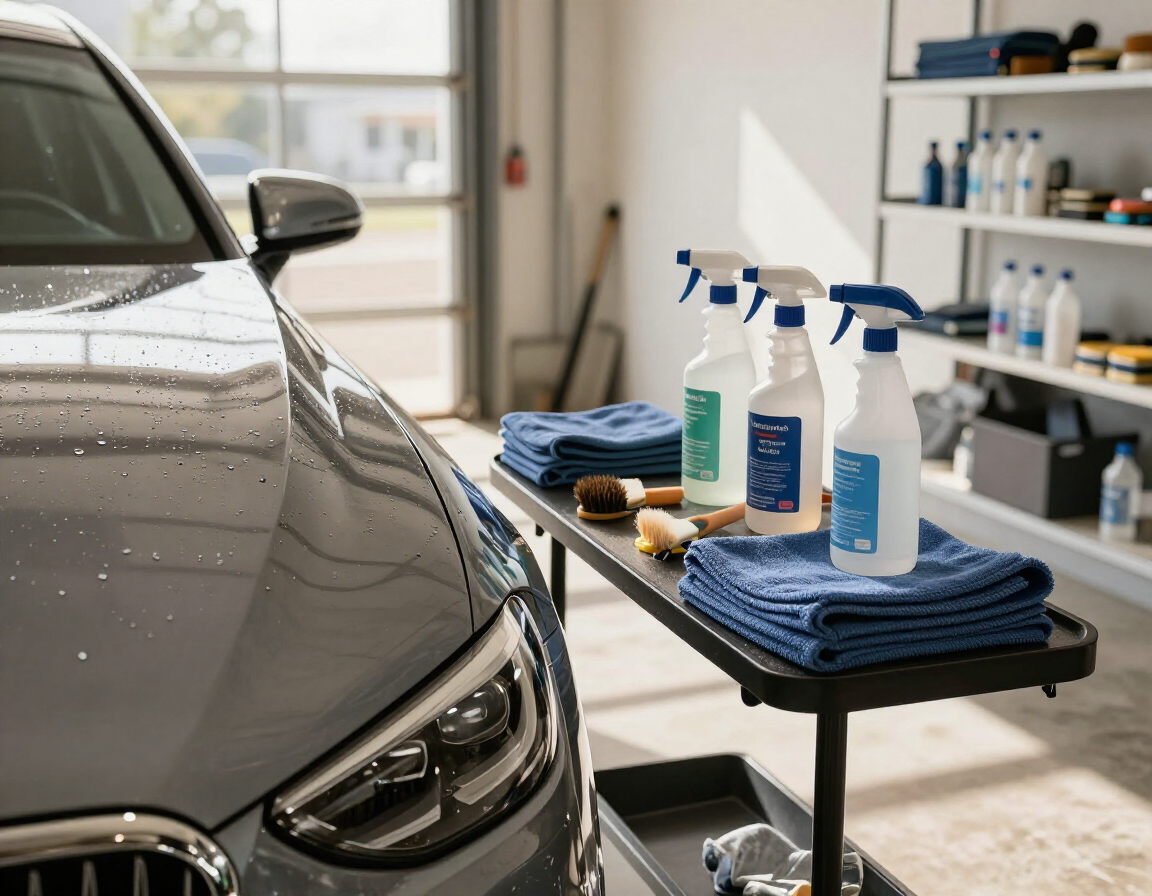
How should you clean and protect upholstery?
Start by vacuuming seats, carpets, door pockets, and seams. Use a crevice tool carefully, since trapped sand and grit can create abrasion. Always test a cleaner in a hidden area before treating a visible section.
Fabric seats and carpets
- Blot spills immediately instead of rubbing them deeper.
- Use a fabric-safe cleaner sparingly to avoid over-wetting foam.
- Agitate gently with a soft brush, then extract or wipe away residue.
- Allow the interior to dry fully to reduce odors and mildew risk.
Leather and vinyl
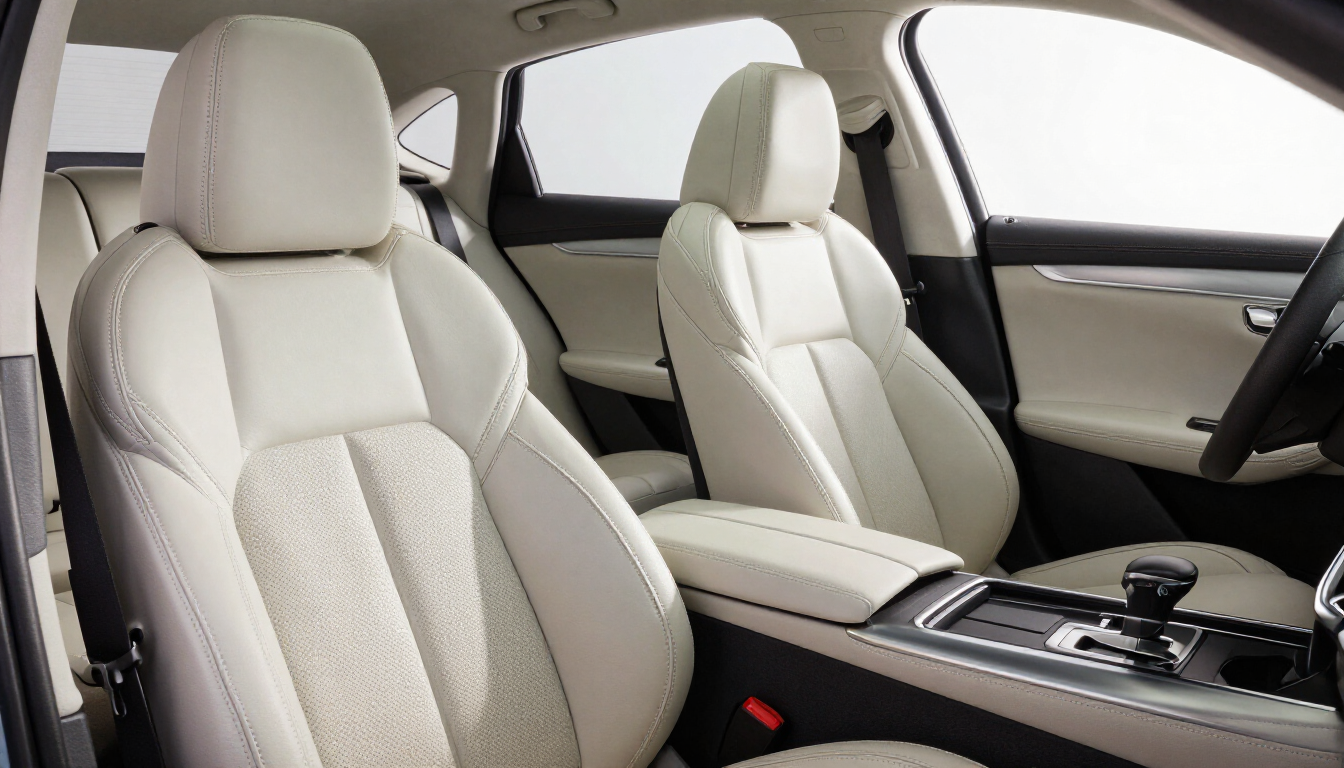
Wipe leather and vinyl with a damp microfiber cloth, then use a product specifically labeled for that material. Avoid household disinfectants, harsh solvents, and excessive conditioner, which can leave surfaces greasy or weaken finishes.
A practical detailing schedule
- Weekly: Remove trash, vacuum high-use areas, and wipe dashboard dust.
- Monthly: Wash the exterior, clean glass, and inspect paint for bonded residue.
- Every three months: Deep-clean upholstery and refresh suitable leather or vinyl protection.
- Seasonally: Apply paint protection appropriate for your climate and inspect rubber seals.
Hot sun, coastal air, winter salt, frequent off-road driving, and outdoor parking may require more frequent care. If your vehicle has an underlying mechanical concern, schedule professional help through Contact rather than treating detailing as a substitute for repairs.
Common detailing mistakes to avoid
- Washing in direct, intense sunlight so products dry before rinsing.
- Using one towel or brush on both wheels and painted panels.
- Applying wax or protectant to dirty surfaces.
- Scrubbing stains aggressively instead of blotting and repeating gently.
- Leaving damp mats and upholstery inside the vehicle.
Final takeaway
The best car detailing tips are simple: remove grit before washing, use surface-appropriate products, dry with clean microfiber tools, treat spills quickly, and maintain a regular schedule. Exterior washing and paint protection help reduce oxidation, stains, and clear-coat damage. Interior vacuuming, gentle cleaning, and proper drying help preserve fabric, leather, vinyl, and trim. Adjust your routine for sun, rain, salt, outdoor parking, and daily use. Start with a careful inspection, address contamination early, and seek professional advice when damage or wear goes beyond normal cleaning.