Pinpoint the Problem Before Replacing Parts
Diagnostics in Houston for check engine lights, performance issues, and system warnings
Viking Automotive performs vehicle diagnostics for drivers in Houston who need accurate identification of electrical, sensor, and powertrain issues before committing to repairs. Your check engine light may illuminate for dozens of different reasons, from a loose gas cap to a failing oxygen sensor or misfiring cylinder. Without proper diagnostic equipment and interpretation, you risk replacing parts that are not the root cause, wasting time and money on guesswork.
The diagnostic process begins with connecting a scan tool to the vehicle's onboard computer to retrieve stored trouble codes. Each code points to a specific system or component, but the code itself does not always identify the failed part. A code for a lean fuel condition, for example, could result from a vacuum leak, a faulty mass airflow sensor, or a weak fuel pump. The technician uses live data streams, component tests, and visual inspections to isolate the actual fault. Viking Automotive works with both modern vehicles that use CAN bus networks and European models that require manufacturer-specific scan tools to access advanced control modules.
If your check engine light is on or your vehicle is running poorly, schedule a diagnostic test with Viking Automotive in Houston.
How Diagnostic Testing Saves Time and Money
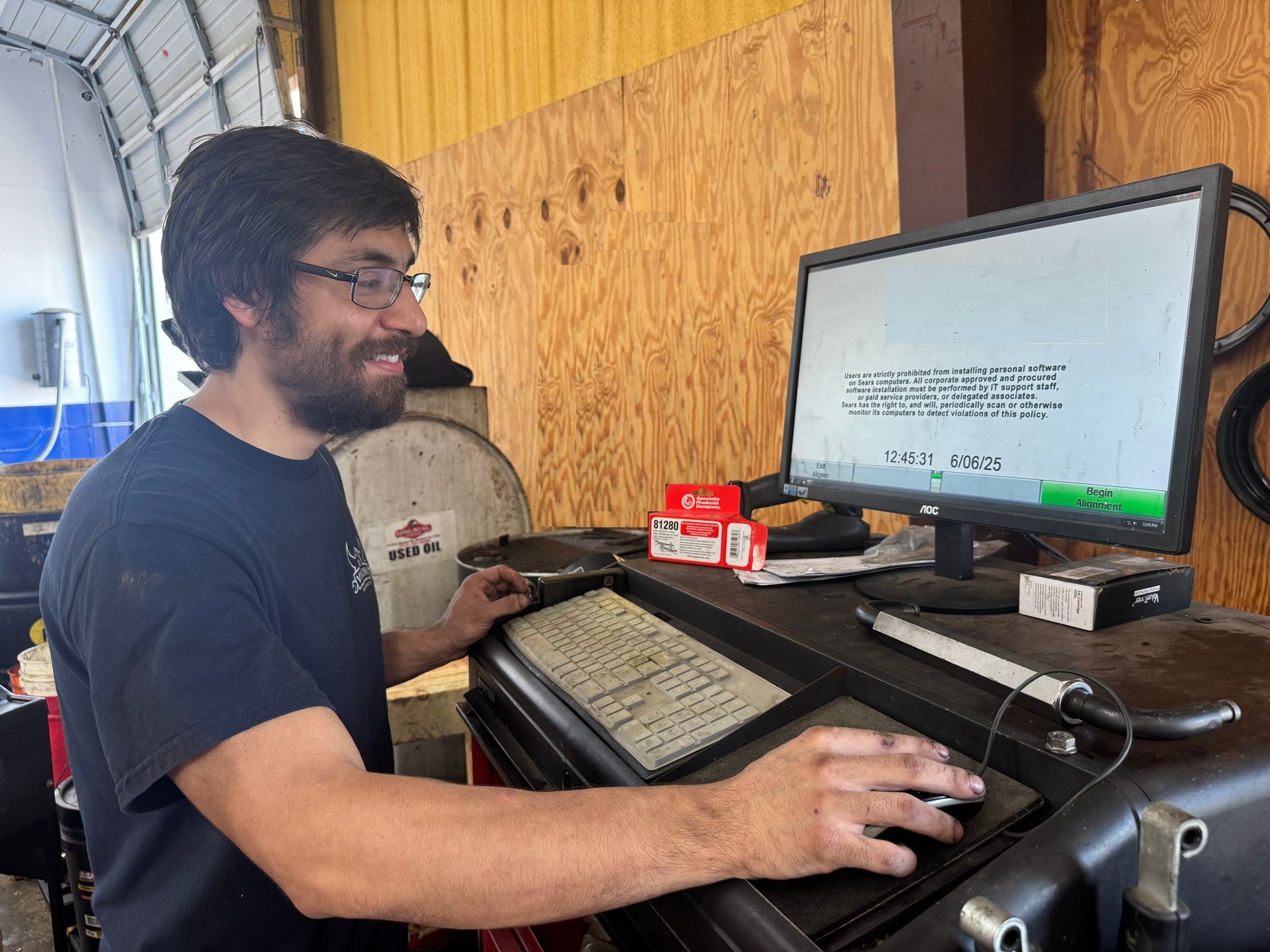
You bring the vehicle in with a symptom or warning light, and the technician begins by reading fault codes and checking for active or pending issues. A multimeter is used to test voltage, resistance, and signal output from sensors and actuators. If the problem is intermittent, the technician may road test the vehicle while monitoring live data to capture the fault as it occurs.
After diagnostics are complete, you receive a clear explanation of what failed, why it failed, and what repair is required to restore normal operation. You avoid replacing parts that were not the source of the problem, and the repair targets the actual cause rather than a symptom. If multiple codes are present, the diagnostic process identifies which fault triggered the others, so you do not pay for unnecessary work.
The service may also include checking for software updates or recalled calibrations that affect engine performance, inspecting wiring harnesses for damage or corrosion, and verifying that previous repairs were completed correctly. Diagnostics do not include the cost of the repair itself, though the findings provide a detailed estimate for the work needed. If the issue involves multiple systems, you receive a prioritized list so you can decide what to address first.
Questions Drivers Have About Diagnostic Services
Vehicle owners in Houston often ask what the diagnostic process involves, how long it takes, and whether codes can be cleared without fixing the problem.
What does a diagnostic test check?
The scan tool reads codes from the engine, transmission, ABS, airbag, and emissions systems, and live data shows sensor readings and system performance in real time.
How long does a diagnostic take?
Most diagnostics are completed in one to two hours, though intermittent faults or complex electrical issues may require extended testing to replicate the problem.
Can I just clear the check engine light and keep driving?
Clearing the code without repairing the fault will cause the light to return, and some issues can cause engine damage or prevent the vehicle from passing emissions testing in Houston.
Why does my vehicle need a specific scan tool?
European and luxury vehicles often use proprietary communication protocols that require manufacturer-level diagnostic equipment to access deeper system data and perform module resets.
What if diagnostics do not find a problem?
If no fault is stored and the vehicle operates normally during testing, the issue may be environmental or driver-related, and the technician will explain what conditions might trigger a recurrence.
Viking Automotive uses advanced diagnostic tools and hands-on testing to find the real source of warning lights and performance problems. Bring your vehicle in for testing before investing in repairs, and you'll know exactly what needs attention and why.